Katerini Tunnel T4
Automation in the Service of Safety
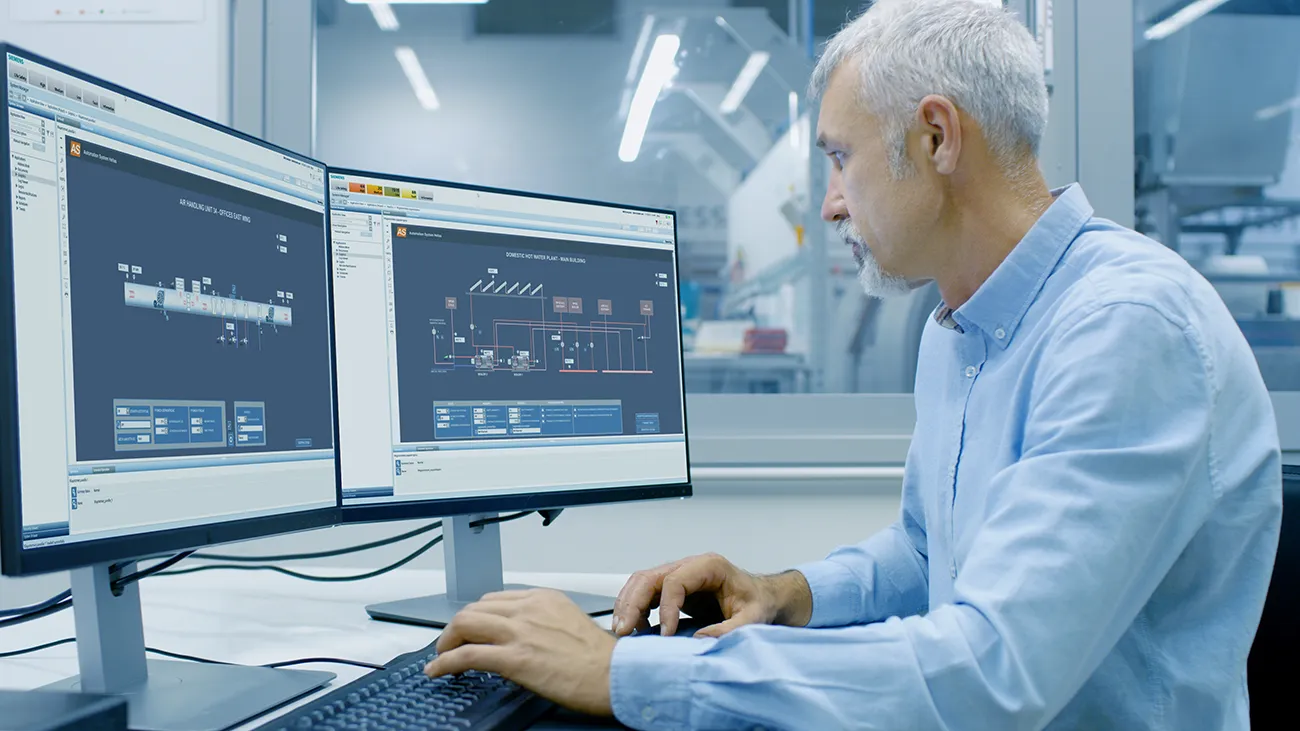
Building Management Systems (BMS) are a core component in the operation of modern buildings. These systems monitor and control critical technical infrastructure, including:
In large-scale hospitality projects, mixed-use developments, and contemporary commercial buildings, a BMS is no longer just an optional technical feature; it is essential infrastructure. The ability to coordinate multiple installations and continuously monitor their performance makes building automation a vital tool for efficiency.
While often viewed strictly as an electromechanical installation, a BMS significantly impacts the overall design of a project. Early integration during the design phase ensures proper infrastructure planning and prevents costly interventions during later construction stages. Key considerations that must be addressed early include:
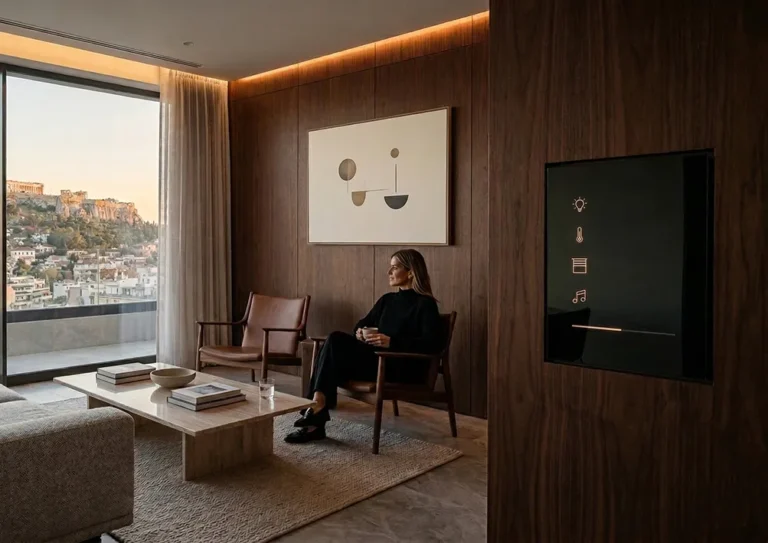
Success depends on the collaboration between architects, mechanical engineers, and automation engineers. Systems like HVAC and lighting operate far more efficiently when designed from the outset to be centrally controlled and adaptable to real-time conditions. However, when automation is introduced too late in a project, the system’s full potential may be limited by previously locked design choices.
A well-integrated BMS is fundamental to energy management and supports sustainability goals such as LEED or BREEAM certifications. The international standard EN ISO 52120-1 recognizes the critical role of Building Automation and Control Systems (BACS) in evaluating and improving a building’s energy performance.
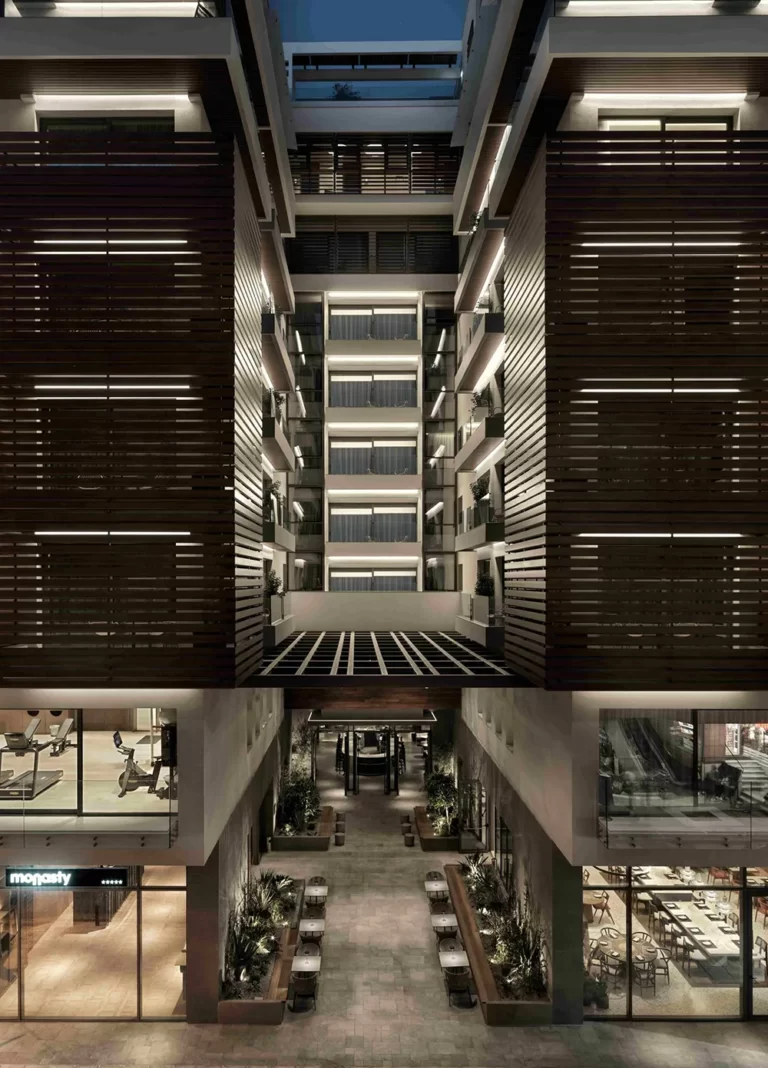
The efficiency of a building relies on continuous monitoring and long-term support. Next-generation platforms utilizing Cloud technology, Data Analytics, and AI allow for:
Through these services, a building evolves into a more efficient, connected, and sustainable environment.
Automation System Hellas implements integrated BMS solutions for complex building projects, partnering with consultants and developers from the earliest stages of design.